


What Are the Techniques Used in Neurological Rehabilitation?
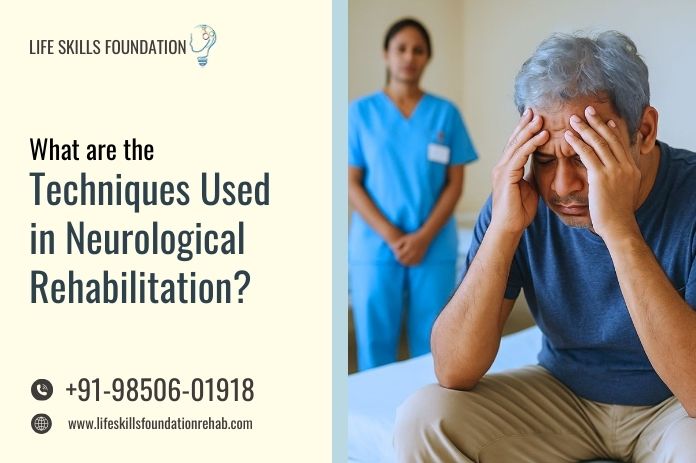
Recovery after a neurological condition rarely follows a straight line. Some days feel hopeful. Others feel slow, frustrating, or confusing. Movements that once happened without thought now require effort. Words may come out differently. Balance feels unfamiliar. And through it all, one question often lingers quietly in the background: Will this get better?
Neurological rehabilitation doesn’t promise an overnight change. What it offers instead is something far more important: a structured, supportive path forward.
For many individuals and families, a neurological rehabilitation centre becomes a place where progress is measured not just in milestones, but in regained independence, confidence, and dignity. At Life Skill Foundation, neurological rehabilitation focuses on helping people reconnect with their abilities at their own pace.
To understand how this happens, it helps to look closely at the techniques that guide neurological recovery.
What Is Neurological Rehabilitation?
Neurological rehabilitation is a specialized form of therapy designed to help individuals recover, adapt, or improve function after damage to the nervous system. This damage may affect the brain, spinal cord, or nerves and can influence movement, speech, cognition, balance, and daily activities.
Rather than treating just symptoms, neurological rehabilitation looks at the person as a whole: their physical abilities, emotional well-being, environment, and goals. The process is gradual and highly individual, shaped by what the person needs most at each stage of recovery.
Who Needs Neurological Rehabilitation?
Neurological rehabilitation may benefit people recovering from or living with conditions such as:
- Stroke
- Traumatic brain injury
- Spinal cord injury
- Parkinson’s disease
- Multiple sclerosis
- Cerebral palsy
- Neurological complications after surgery or illness
Some individuals enter rehabilitation soon after an event, while others begin much later when challenges persist. A neurological rehabilitation centre supports both early recovery and long-term adaptation, depending on individual needs.
Why Techniques Matter in Neurological Rehabilitation
Recovery isn’t based on one single therapy. It’s built through a combination of techniques that work together.
Each technique targets a different aspect of function:
- Movement and strength
- Coordination and balance
- Communication and swallowing
- Cognitive processing and memory
- Emotional regulation and confidence
The goal isn’t perfection; it’s meaningful improvement that translates into everyday life.
Physiotherapy in Neurological Rehabilitation
Physiotherapy forms the foundation of many neurological rehabilitation programs.
This therapy focuses on:
- Improving muscle strength and control
- Enhancing balance and coordination
- Re-learning walking and functional movement
- Preventing stiffness and muscle shortening
Neurological physiotherapy differs from routine exercise. Movements are guided carefully, often repeated slowly, allowing the brain and body to rebuild connections over time. These techniques are a core part of rehabilitation for neurological disorders.
Occupational Therapy: Regaining Daily Independence
Occupational therapy helps individuals reconnect with everyday activities that give life structure and independence.
This includes:
- Dressing, bathing, and grooming
- Eating and meal preparation
- Writing, using tools, or handling objects
- Adapting the home or workspace
Rather than focusing solely on what’s difficult, occupational therapy seeks practical ways to make tasks manageable again, whether through skill retraining or the introduction of adaptive techniques.
Speech and Language Therapy
Neurological conditions often affect communication, speech clarity, swallowing, and cognitive processing.
Speech therapy may help with:
- Speaking clearly and confidently
- Understanding and forming words
- Swallowing safely
- Improving attention and memory
For many patients, regaining communication is closely tied to self-esteem and social connection. Speech therapy plays a vital role in restoring this sense of identity.
Cognitive Rehabilitation Techniques
Cognitive changes after neurological injury can be subtle but impactful.
Cognitive rehabilitation focuses on:
- Attention and concentration
- Memory strategies
- Problem-solving skills
- Emotional regulation
These therapies help individuals adapt to changes, build mental endurance, and develop strategies for daily decision-making. Advanced neurological rehab methods often integrate cognitive training alongside physical therapies for balanced recovery.
Balance and Gait Training
Balance issues are common after neurological injury and can significantly affect confidence.
Specialized training includes:
- Postural control exercises
- Gait correction
- Strengthening stabilizing muscles
- Fall-prevention strategies
Restoring balance doesn’t just improve movement; it reduces fear, increases independence, and supports safe mobility.
Assistive Technology and Adaptive Tools
Modern neurological rehabilitation increasingly includes assistive devices that support function.
These may involve:
- Mobility aids
- Adaptive seating
- Communication tools
- Task-specific equipment
At a well-equipped rehabilitation centre, these tools with Advanced neurological rehab methods are introduced thoughtfully, with the aim of empowerment rather than dependence.
Emotional and Psychological Support
Neurological recovery isn’t only physical. Emotional adjustment is a major part of the journey.
Psychological support helps individuals:
- Cope with frustration and grief
- Manage anxiety or mood changes
- Build motivation and resilience
- Adjust to new realities
This emotional care is essential for sustained progress and is often integrated quietly into rehabilitation plans.
Family Education and Involvement
Recovery doesn’t happen in isolation. Families play a crucial role.
Rehabilitation programs often involve:
- Educating caregivers
- Teaching safe support techniques
- Setting realistic expectations
- Encouraging healthy boundaries
Involving families helps create a supportive environment beyond therapy sessions.
Why a Structured Rehabilitation Centre Makes a Difference
While therapy can happen in many settings, a dedicated neurological rehab centre offers coordination, consistency, and continuity.
- Integrated therapy planning
- Multidisciplinary collaboration
- Structured routines
- Continuous progress monitoring
At Life Skill Foundation, rehabilitation is not rushed. Each plan evolves as the person progresses, ensuring care remains responsive and respectful.
FAQs
Q1. What is a neurological rehabilitation centre?
A neurological rehabilitation centre provides specialised therapy for individuals affected by neurological conditions. It focuses on improving movement, communication, cognition, and daily functioning through structured, multidisciplinary care.
Q2. How long does neurological rehabilitation take?
The duration varies depending on condition severity and individual response. Progress is gradual and measured over time.
Q3. What are the benefits of neurological rehabilitation?
It improves physical function, cognition, emotional well-being, independence, and quality of life.
Q4. What type of patients may benefit?
Patients recovering from stroke, brain injury, spinal cord injury, or chronic neurological conditions.
Q5. Is rehabilitation only for early stages?
No. Neurological rehabilitation can help at early, mid, or long-term stages.
A Thoughtful Path Forward
Neurological rehabilitation is not about rushing recovery. It’s about steady progress, patience, and support.
At Life Skill Foundation, neurological rehabilitation focuses on restoring confidence and control over daily life. A neurological rehabilitation centre offers structure, understanding, and a way forward when the path feels uncertain.
If you or someone you care for is considering neurological rehabilitation, seeking guidance early can help create a plan that respects both challenges and potential.