


The Role of Psychological Counselling in Mental Health Rehabilitation
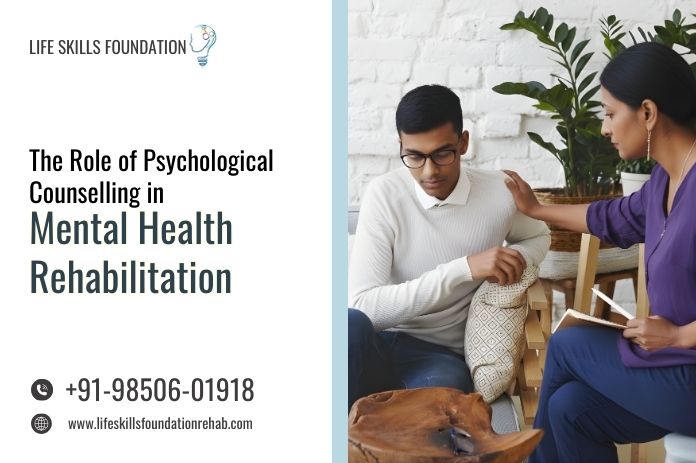
Mental health recovery isn’t just about addressing physical symptoms; it’s about healing the mind, nurturing emotional well-being, and rediscovering strength. Whether you or someone you love is navigating the path to mental health recovery, psychological counselling plays a key role in that journey.
When it comes to mental health rehabilitation, counselling provides a space to process emotions, identify underlying causes of distress, and build healthier coping mechanisms. And it’s not a one-time fix; it’s a process that unfolds with time, commitment, and support.
For those considering psychological counselling in Amravati or anywhere, understanding its role in rehabilitation can offer hope, clarity, and a deeper connection to the healing process.
Here’s a closer look at the crucial role of psychological counselling in mental health rehabilitation and how it can guide recovery.
What is Psychological Counselling?
At its core, psychological counselling is a therapeutic process that helps individuals manage mental health challenges through supportive conversation and structured strategies. It’s a safe, non-judgmental space where patients can express their thoughts, feelings, and struggles openly.
Counselling aims to:
- Help individuals understand their emotions
- Explore past experiences or triggers
- Learn effective coping mechanisms
- Build emotional resilience
This type of therapy works by providing tools and insights that empower people to make positive changes, understand their challenges, and move toward healing.
How Psychological Counselling Supports Mental Health Rehabilitation
Rehabilitation isn’t just about treating a condition; it’s about healing the whole person. That’s where counselling comes in. Here's how psychological counselling aids in rehabilitation:
Uncovering the Root Causes
Mental health conditions don’t just appear overnight; they have deeper emotional and psychological causes. Psychological therapy helps individuals uncover these roots, whether it’s trauma, anxiety, grief, or unresolved emotions. Understanding the cause allows for targeted interventions and healthier coping strategies.
Providing Emotional Support
One of the most important aspects of mental health recovery is emotional support. A trained therapist provides a compassionate, empathetic space where individuals can express their feelings without fear of judgment. This emotional connection is vital for healing.
Developing Coping Mechanisms
Rehabilitation often means learning new ways to handle life’s challenges. Whether it's stress management, learning to cope with triggers, or addressing negative thought patterns, counselling equips individuals with practical coping tools. These strategies are essential in everyday life and help prevent setbacks.
Building Self-Awareness
Psychological therapy encourages self-reflection and mindfulness, helping individuals understand their own thought processes, reactions, and patterns. This self-awareness is a powerful tool for lasting change and recovery.
What to Expect During Psychological Counselling
If you’re considering psychological counselling in Amravati or elsewhere, understanding the structure of therapy can make the experience feel more comfortable. Here’s what you can typically expect:
1. A Safe, Non-Judgmental Space
Counselling is a private, safe space where you can freely express your thoughts without fear of being judged. Your therapist is there to listen and guide, not to criticize. This safe environment encourages open communication, which is crucial for healing.
2. Personalized Treatment Plans
No two people are the same. Your therapist will work with you to create a treatment plan based on your unique needs, struggles, and goals. Whether you’re dealing with depression, anxiety, trauma, or relationship challenges, your therapy will be focused on helping you.
3. Structured Sessions with Clear Goals
Therapy isn’t just about talking; it’s about progress. Your sessions may involve a combination of talking through issues, practicing coping techniques, journaling, or guided exercises. Your therapist will help you set clear, achievable goals, and you’ll be able to track your progress together.
4. Tools and Techniques for Everyday Life
While therapy involves deep reflection, it’s also very practical. Your therapist will introduce you to a variety of techniques and tools designed to help you manage stress, improve emotional regulation, and deal with difficult situations in a healthier way.
5. Ongoing Support and Check-ins
Mental health rehabilitation is a process, and counselling is ongoing. Your therapist will offer continuous support and follow-ups, ensuring you feel guided through your recovery. With each session, you’ll gain more insight into yourself, building resilience and strength over time.
The Benefits of Psychological Counselling in Mental Health Rehabilitation
So, what is the importance of counselling in mental health treatment, and why is psychological counselling such a cornerstone of mental health rehabilitation? Here are a few key benefits:
- Improved Emotional Health: Counselling helps individuals better understand and regulate their emotions.
- Increased Coping Skills: People learn how to manage stress, anxiety, and triggers more effectively.
- Long-Term Healing: CBT and other therapeutic methods focus on long-term change, not just temporary fixes.
- Enhanced Relationships: Therapy often improves communication and understanding, both with oneself and others.
- Renewed Confidence: By learning healthier ways to think, feel, and behave, individuals regain confidence in themselves.
Frequently Asked Questions
Q1. How does psychological counselling help with mental health rehabilitation?
Psychological counselling helps individuals explore the root causes of their struggles, understand emotional triggers, and develop coping strategies. It provides the tools needed to manage stress, anxiety, and emotional distress, supporting long-term recovery and emotional well-being.
Q2. How long does psychological therapy for mental health last?
The length of therapy depends on individual needs. Some may benefit from a few sessions, while others may require longer-term support. Your therapist will work with you to set realistic goals and determine the best approach for your healing process.
Q3. Is psychological counselling only for severe mental health issues?
Not at all. While it’s incredibly helpful for treating more severe conditions like depression, anxiety, and trauma, psychological counselling can benefit anyone who wants to improve their emotional health, manage stress, or build healthier coping mechanisms.
Q4. Can I continue psychological counselling after rehabilitation?
Yes! In fact, ongoing counselling is often recommended even after rehabilitation. Continuing therapy helps maintain mental health, provides additional support during transitions, and reinforces the coping skills learned during treatment.
Q5. Is psychological counselling in rehabilitation centres private?
Yes. All therapy sessions are confidential. Your therapist is bound by confidentiality agreements, meaning they cannot share what you discuss without your consent (except in certain legal situations, such as if there’s a risk of harm). This confidentiality creates a safe space for honest and open communication.
Healing Mind, Body, and Spirit
Mental health rehabilitation is not just about addressing symptoms; it’s about healing the whole person. Psychological counselling plays a vital role in that journey, offering individuals the tools, support, and emotional safety they need to recover and thrive.
Whether you’re considering psychological counselling in Amravati or looking for therapy in your area, finding the right support is the first step toward a healthier, more resilient you. Lifeskills Foundation is dedicated to providing compassionate care, offering a space where healing begins; one step, one conversation, and one breakthrough at a time.
You deserve the care, support, and understanding that will help you heal, inside and out.