

Bipolar Disorder Treatment In Nagpur
Have you been experiencing extreme mood swings, feeling euphoric and full of energy at one moment, only to crash into sadness or hopelessness the next? These intense shifts could be more than stress. They may point to bipolar mood disorder, a condition that affects millions worldwide but often goes undiagnosed until it begins to impact daily life.
At Life Skills Foundation, Nagpur, our team, led by Founder-Director Abhijit Sengupta and Head of Psychiatry, Dr. Shreyas Magia (MBBS, DPM, MIPS), provides holistic and personalized care for individuals experiencing bipolar disorder. With over a decade of expertise in psychiatry, emotional well-being, and addiction recovery, we understand that no two journeys are alike, and neither is their treatment.
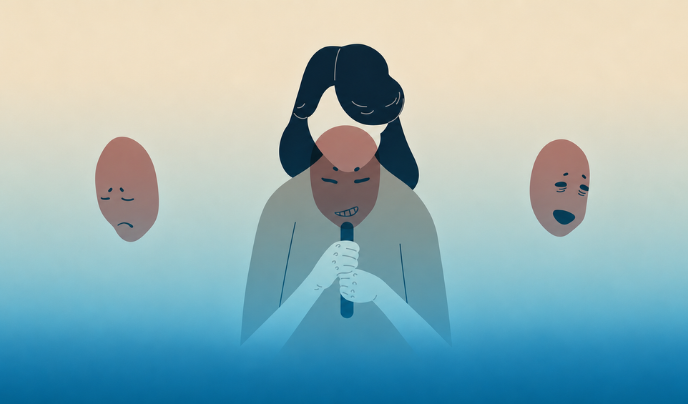
We at Life Skills Foundation will help you understand what bipolar mood disorder is, its symptoms, possible causes, and if you are from Nagpur, how the right bipolar disorder treatment in Nagpur can make life stable, meaningful, and fulfilling again.
What is Bipolar Mood Disorder?
Bipolar mood disorder, earlier known as manic depression, is a long-term mental health condition marked by episodes of extreme highs (mania or hypomania) and lows (depression). These shifts go far beyond normal mood changes, affecting work, relationships, and daily functioning.
During manic phases, a person may feel unusually energetic, talkative, or impulsive, while depressive episodes bring feelings of hopelessness, low energy, and loss of interest in activities. Without treatment, the cycle can become overwhelming.
Types of Bipolar Disorder
At Life Skills Foundation, we carefully evaluate which type an individual may be experiencing, since treatment varies:
Bipolar I Disorder – Involves severe manic episodes, often requiring hospitalization, followed by depressive spells.
Bipolar II Disorder – Characterized by recurring depressive episodes and hypomania (milder manic states).
Cyclothymic Disorder – A milder yet persistent form with frequent mood fluctuations.
Symptoms to Watch Out For
Bipolar disorder manifests differently for each person. Still, some common signs include:
- Persistent sadness, emptiness, or hopelessness
- Sudden irritability or emotional outbursts
- Difficulty focusing or making decisions
- Increased tendency toward alcohol or substance use
- Fluctuations in appetite and sleep patterns
- Risk-taking behavior during manic phases
- Feelings of worthlessness or guilt
- Suicidal thoughts in severe depression
If these symptoms sound familiar, a timely consultation is crucial. Our psychiatrist, Dr. Shreyas Magia, emphasizes treating the individual and not just the symptoms, ensuring compassionate care tailored to unique needs.
What Causes Bipolar Disorder?
The exact cause is not yet fully understood, but research shows it often arises from a combination of:
- Genetics – A family history of mood disorders increases risk.
- Brain chemistry – Neurotransmitter imbalances and structural changes.
- Stressful life events – Trauma, grief, or chronic stress.
- Sleep disruption – Irregular sleep-wake cycles can trigger episodes.
- Substance use – Alcohol or drug abuse often worsens the condition.
Bipolar disorder typically develops between ages 15–19, though it can appear later as well. Some may only experience a few episodes in their lifetime, while others face recurring cycles that require ongoing management.
Bipolar Mood Disorder Treatment in Nagpur
At Life Skills Foundation, our approach combines clinical expertise with therapeutic care to bring stability, prevent relapse, and support long-term recovery.
1. Medication
Mood stabilizers, antidepressants, or antipsychotics may be prescribed to manage highs and lows. These are monitored carefully by our specialists to ensure maximum benefit with minimal side effects.
2. Psychotherapy
Our specialists in Rational Emotive Behaviour Therapy (REBT), integrate evidence-based techniques with emotional intelligence and neuroscience. Therapy helps individuals identify negative thought patterns, build resilience, and improve coping skills.
3. Therapeutic Community & Support Groups
Life Skills Foundation also runs Therapeutic Community (TC) programs, where individuals support one another in a structured environment. Support groups reduce isolation, create belonging, and encourage shared healing.
4. Lifestyle Modifications
Our team guides individuals toward practical lifestyle changes such as:
- Balanced nutrition
- Regular physical activity
- Consistent sleep patterns
- Stress management with yoga, meditation, and mindfulness
- These changes complement clinical treatment and promote holistic well-being.
Why Choose Life Skills Foundation?
Experienced Leadership – With decades of combined experience, Mr. Abhijit Sengupta and Dr. Shreyas Magia bring unmatched expertise in psychiatry, addiction recovery, and relapse prevention.
Holistic Care – We don’t just treat symptoms; we work on the individual’s overall environment, family dynamics, and emotional health.
Customized Plans – Each treatment plan is tailored to personal needs, ensuring sustainable progress.
Community Focus – Through awareness programs and collaborations, we’re committed to reducing stigma and promoting mental health education.
FAQs on Bipolar Mood Disorder
Bipolar disorder is typically a lifelong condition. While it may not have a permanent cure, it can be successfully managed with the right treatment. Many individuals lead balanced, productive lives with ongoing care.
Yes, when prescribed and monitored by an experienced psychiatrist like Dr. Shreyas Magia, medications are safe and essential for preventing relapses. Regular follow-ups ensure effectiveness and minimize side effects.
Therapy equips individuals with tools to handle stress, regulate emotions, and build healthier thought patterns. At Life Skills Foundation, REBT and other therapies are central to treatment.
Absolutely. Irregular sleep, substance use, or high stress can trigger episodes. On the other hand, good lifestyle practices support medication and therapy, making recovery smoother.
Yes. Though most cases emerge in late teens or early adulthood, children and adolescents can also show symptoms. Early evaluation helps prevent long-term complications.
Give Your Life A New Start
Living with bipolar mood disorder may feel overwhelming, but with the right guidance, stability is possible. At Life Skills Foundation, Nagpur, we combine psychiatric expertise, therapy, and community support to help individuals rediscover balance and confidence.
Whether you’re seeking professional advice for yourself or a loved one, know that bipolar mood disorder treatment in Nagpur is available, and recovery is achievable.
STAY FACILITY
A Gentle Approach To Therapy